The Anatomy of Ugly...

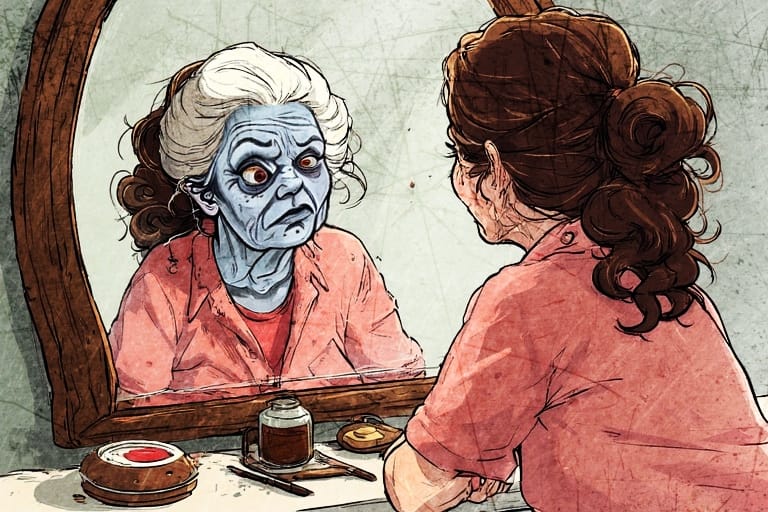
The Mirror…
Vanity is the armor of the weak and feeble.
It begins as self-preservation, the trembling need to be seen as beautiful, competent, powerful, and hardens into doctrine. The mirror becomes a weapon; reflection becomes reality. What starts as grooming becomes camouflage, and what looks like confidence is often terror in drag.

Do you recognize this person?
Maybe the real question is: “Would they recognize this person?”
Underneath the lacquered makeup, without the Botox injections, the dermal fillers, the facelift, possibly facelifts, the rhinoplasty…that’s Kristi Noem.
Psychology has a word for this alchemy: ego compensation. When the self feels small, it reaches for exaggeration. The grander the exterior, the hollower the core. The person who polishes the surface obsessively is usually negotiating the decay beneath.
Vanity, in this sense, is not narcissism’s twin but its armor. It’s how a brittle identity survives the friction of public life. Power rewards the polished. Politics, especially, feeds on optics. The appearance of control is more valuable than control itself. So the insecure learn to perform security. The frightened learn to imitate fearlessness. And the truly terrified learn to look holy while they’re doing it.
Every photo-op, every filtered image, every slogan about strength and faith, hides the same primal anxiety:
“Without this costume, I am nothing special.”
The costume starts to consume the wearer. The person becomes the projection, the mirror their master. The face freezes into an advertisement for self-belief, even as the eyes betray fatigue. The body becomes a billboard for moral superiority, even as the conscience rots beneath it. Beauty becomes an act of aggression, a way of declaring immunity from shame.
This is why vanity in power always espouses cruelty. Maintenance requires sacrifice. The image, the ego, it must feed. And it feeds on humiliation, on dissent, on anyone or anything that threatens to expose the monstrosity underneath.
Theologians once called it pride, the first sin. Psychologists call it narcissistic compensation. Historians call it the beginning of collapse. Different disciplines, same diagnosis. A leader obsessed with image will eventually confuse admiration with legitimacy - and build their throne out of mirrors.
The Performance of Strength…
Strength, in the age of branding, has been cheapened into theatre. It no longer means endurance or integrity; it means looking unbreakable for the cameras. The spectacle of power has replaced the practice of it. Muscles, guns, and choreographed defiance have become the emotional currency of leadership.
Kristi Noem built her brand on this stagecraft. Her speeches, advertisements, and social-media reels sell a version of toughness that lives halfway between cowboy mythology and influencer choreography. Every frame insists that compassion is weakness and that authority must always draw blood. The psychology behind this isn’t mystery, it’s protection. When a leader’s self-image depends on admiration and validation, any hint of vulnerability feels like extinction. The surest way to silence that fear is to perform its opposite.
That is why cruelty often arrives wrapped in patriotism. Policies that strip care from the powerless get marketed as discipline. Acts of aggression become rites of strength. The individual who cannot tolerate self-doubt builds a world where doubt itself is treason. In clinical language, this is over-identification with the ideal self: the person fuses so completely with their projection of perfection that every contradiction feels like an attack on their survival.
The result is a moral economy where empathy is debt and dominance is profit. A politician can neglect, harm, even destroy, provided the gesture looks decisive. The public, conditioned to mistake volume for courage, applauds the performance. Everyone gets their dopamine hit; nothing gets fixed.
In Noem’s universe, brutally murdering a puppy is not a tragedy, it’s an asset. The story is sold as proof of grit, of frontier realism, of “doing what has to be done.” But at the psychological level it’s an exorcism of conscience and morality: a way to prove to her audience that feeling nothing equals being strong. The tragedy isn’t the act itself; it’s the culture that cheers the performance and calls it leadership.
Strength, real strength, is the ability to absorb shame without passing it on. The performance of strength is the opposite, it exports shame until nothing human remains. And in that transaction lies the quiet death of governance: a government that punishes empathy will eventually punish its people.
The Costume Department…
When the interior self is hollow, the easiest way to feel real is to borrow reality from other people’s lives.
That’s why the chronically insecure love uniforms. A uniform, whether literal or metaphorical, does the heavy lifting of identity. It allows the ego to pretend you’re someone different, someone better than what you are, without getting hung up on facts, or reality. It tells the world “I am this!” so you don’t have to confront who you’re not. But the ego isn’t a great actor/actress. People see the costume and a personality that does not match. It thinks it’s relating, connecting, on their level, but the asymmetry betrays it.







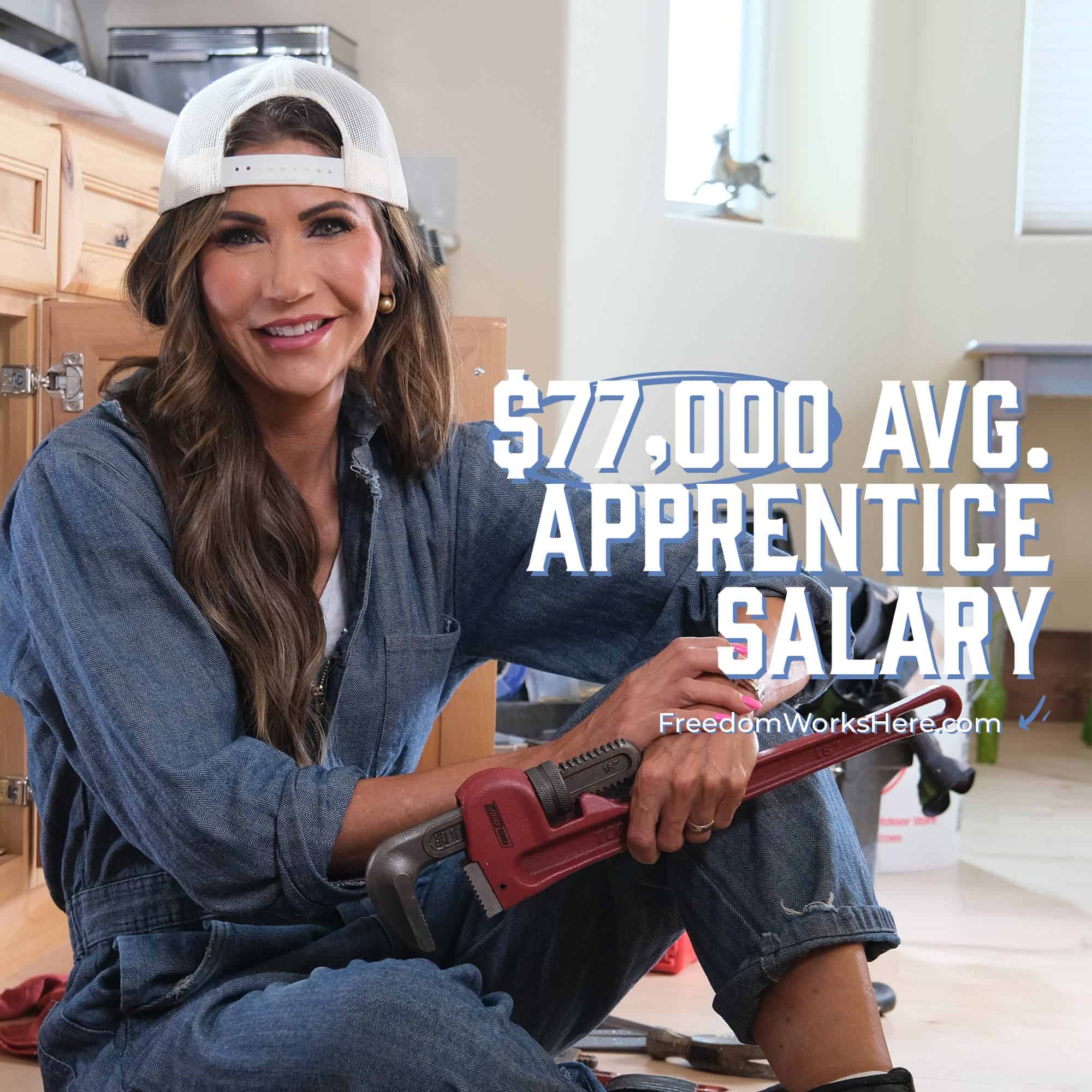

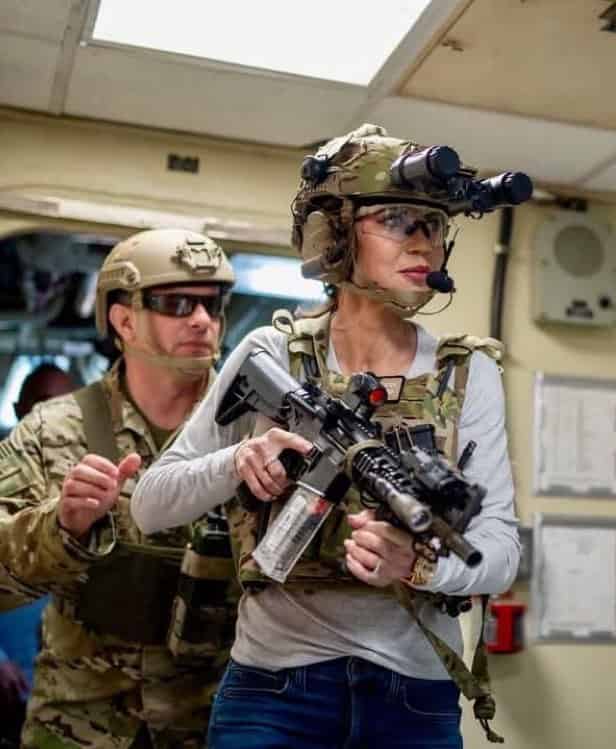


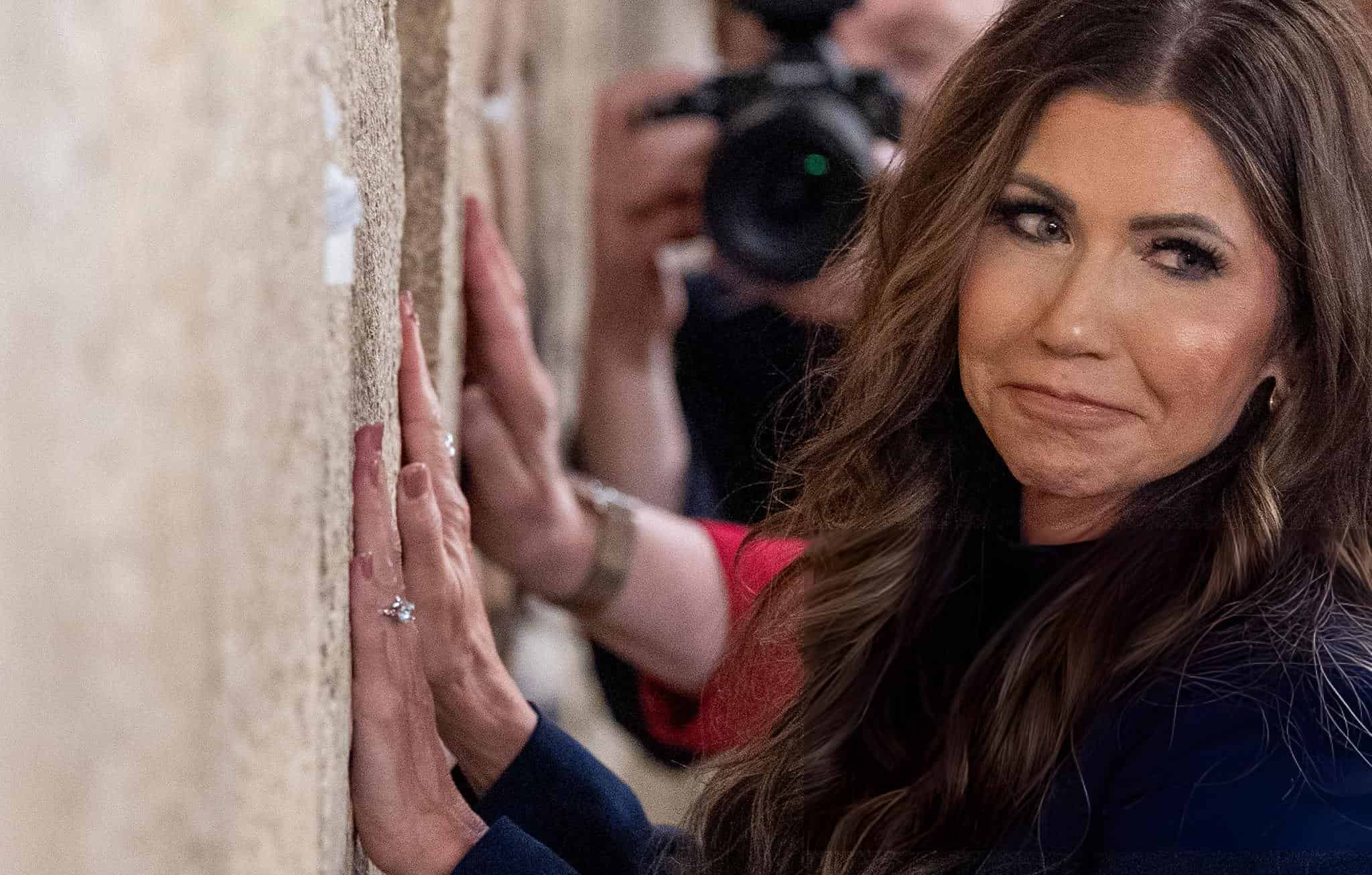


The compulsion to dress the part, to pose as a firefighter, a soldier, a nurse, a human isn’t harmless playacting; it’s an existential patch. Each costume temporarily stitches the self together. Psychologists sometimes call this identity diffusion: the inability to sustain a coherent sense of self without external props.
For a politician, the stakes are higher. Every outfit is a negotiation between brand and belief. If you don’t know who you are, you become whatever the polling data wants. One week you’re the frontier warrior; the next, the compassionate mother; after that, the executive in pressed navy. The public sees versatility. The psyche experiences vertigo.
And that works…for a while. Each successful performance delivers a micro-dose of belonging. But the fix fades, and soon the person needs a new persona, a new backdrop, a new script. It’s the political equivalent of addiction: dependence on applause for a sense of existence.
This is why the imagery around certain leaders looks less like documentation and more like a lifestyle catalogue. Every photo is a costume change, every press event a new identity audition. They aren’t governing; they’re reattaching the fucking mask.
Historically, regimes built on performance have always collapsed the same way: the actor forgets there’s an audience, the audience forgets there’s a stage, and eventually reality barges in like an unpaid stagehand pulling down the set.
In the end, cosplay politics isn’t about admiration or deceit, it’s about keeping the ego fat and happy. The roles are the scaffolding that keep the structure from caving in. But the scaffolding was never meant to hold the weight of a nation.
Manufactured Virtue…
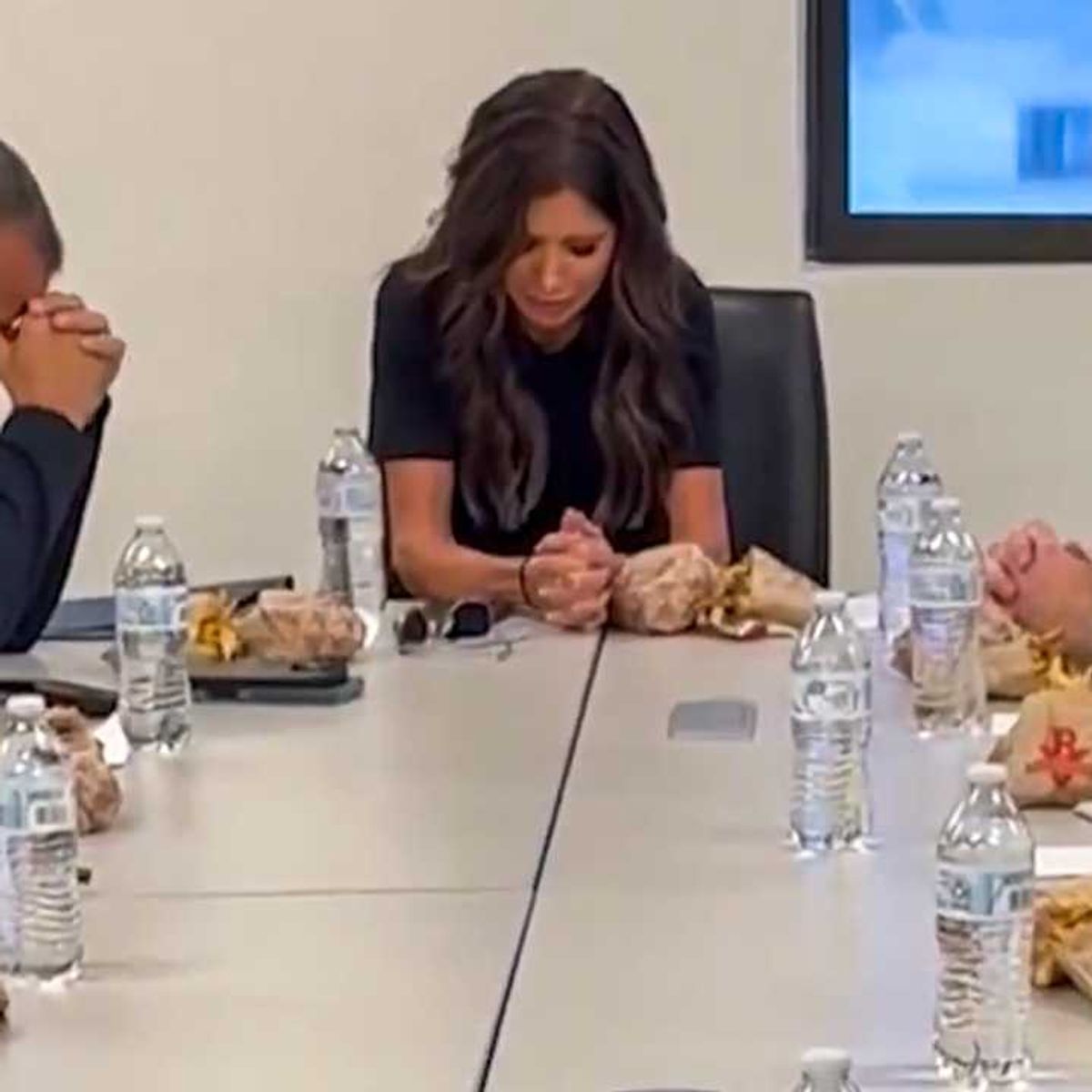
Morality is not a belief system; it’s a record.
The measure of faith in office isn’t what a leader professes on Sunday but what their policies do to the people Monday through Saturday.
Kristi Noem has built much of her public identity on faith and family rhetoric; quoting scripture at rallies, framing governance as a divine trust. Yet her tenure has been defined by contradictions between that language and the lived outcomes under her administration.
- During the COVID-19 crisis she resisted statewide mitigation measures, presenting the decision as a defense of liberty and faith in individual responsibility.
Independent studies from Johns Hopkins and the CDC later showed that South Dakota’s infection and mortality rates surged among the highest per-capita in the nation during that period. Moral dissonance: preaching stewardship of life while refusing the simplest protections of it. - As governor, she oversaw cuts and consolidations within South Dakota’s Department of Human Services that drew criticism from disability-rights groups for reducing access to long-term care and family supports. Administrative reports acknowledged service backlogs and staffing shortages. Ethical question: how does a government that calls itself pro-family justify leaving families without fucking care?
- State audits have flagged preferential contracts and nepotism concerns inside several agencies, including tourism and real estate licensing boards connected to her office. Each incident was defended as “lawful” or “misunderstood,” yet each widened the gap between the image of moral clarity and the practice of political convenience.
These examples don’t indict belief; they expose branding. The invocation of faith becomes a marketing strategy, a moral watermark that fades the moment it meets policy reality.
History remembers this pattern: leaders who wield piety as insulation, convinced that quoting God can offset governance. But faith, detached from empathy, curdles into theater; and theater, repeated long enough, hardens into ideology.
In the end, a sermon delivered from a podium of neglect is still neglect.
The Ethics of Hypocrisy…
Hypocrisy in politics is not simply lying; it’s identity maintenance. For the ego built on moral performance, contradiction is oxygen. Each denial of inconsistency becomes proof of strength. Each exposed double standard becomes another opportunity to re-assert virtue louder, brighter, more theatrically than before.
Psychologists call this cognitive dissonance reduction; the brain’s need to reconcile opposing truths. But in the political arena it mutates into something closer to addiction. The more glaring the contradiction, the more elaborate the justification must become, until the performance itself replaces belief. The conscience is outsourced to public relations.
Kristi Noem’s tenure demonstrates this feedback loop in real time: proclaim moral certainty, enact policies that contradict it, face backlash, then double down on the performance of righteousness. The pattern is less about ideology than about superiority. When identity depends on being perceived as righteous, admitting error feels like annihilation.
This is the paradox of performative morality: the louder the virtue, the thinner the evidence of it. It’s why entire administrations can quote scripture while cutting aid, preach family while undermining welfare, and boast of honesty while hiding behind legal semantics. The ritual keeps the mask intact; the people pay the price.
Historically, hypocrisy of this kind has never been sustainable. Empires collapse not from external invasion but from moral corrosion that eats through their institutions. The rot begins in small acts of self-exoneration: “I’m doing this for their own good,” “I’m protecting freedom,” “God is on my side.” Each rationalization erodes accountability until only puppet theater remains.
In clinical terms, it’s ego preservation. In moral terms, it’s damnation by self-deception.
And for the citizens who live under it, it’s governance without grace, an endless sermon delivered from a pulpit of power, where confession is replaced by branding and repentance by a fucking photo op.
The Cost of Cosmetic Identity…
Every mask leaves residue.
Governance built on image eventually collapses under the weight of its own lighting rig. The first casualties are always the quiet, invisible functions of government; the boring, humane mechanisms that hold a society together. Bureaucracy becomes PR. Policy becomes performance art. Outcomes are measured not in lives improved but in applause lines earned.
When politics turns cosmetic, substance bleeds out through the pores. Budgets bend toward vanity projects, not infrastructure. Staffing choices reward loyalty over competence. Crisis response becomes a press release written before the facts are known. The entire system starts to imitate its leader’s psychology: defensive, impulsive, allergic to accountability.
South Dakota offers the case study in miniature.
Under Noem’s administration, the choreography of image often outpaced the work of governance. Tourism ads aired while rural hospitals closed. Job-creation campaigns ran alongside workforce shortages in health and education. The spectacle of prosperity obscured the arithmetic of neglect. What mattered was the frame, the appearance of success, even as the statistics underneath told a rougher story.
It was pure propaganda.
Public trust decays fastest under such lighting. Citizens learn that sincerity is optional and that appearances buy more capital than competence. Once that lesson sinks in, corruption stops looking like a scandal and starts looking like strategy.
It’s known as symbolic politics in Sociology: when leaders substitute symbols for solutions to maintain legitimacy. It’s efficient in the short term, cheaper to pose with a tractor than to fund agricultural reform, but it creates a population fluent in cynicism. People stop expecting honesty because dishonesty has better production values.
The cost isn’t only administrative; it’s psychological. A government that performs goodness instead of doing good trains its citizens to perform too. The electorate begins to mirror the performer: defensive, image-conscious, incapable of admitting failure. Eventually, democracy itself starts behaving like a brand; loud, brittle, desperate for engagement.
And that, perhaps, is the final irony. The politics of vanity promises strength but breeds fragility. It teaches a state to smile for the camera while its foundations crack. The rot doesn’t announce itself with scandal; it shows up quietly in the data; poverty rates, hospital closures, staff resignations, the slow erosion of trust that no amount of lipstick can disguise.
A leader obsessed with the mirror will always miss the collapse happening behind them.
Lock Up Your Daughters…
Every generation inherits its idols. Ours arrive in high definition, filtered and optimized, preaching empowerment while modeling emptiness. For young women watching from the edges of power, the message has been scrambled: be fearless, but never vulnerable; be beautiful, but never unguarded; be ambitious, but make it look effortless.
The original women’s-rights movement fought to dismantle cages of appearance and obedience. It argued that dignity was not decoration and that self-worth couldn’t be legislated or airbrushed. Yet the modern spectacle of “strong womanhood” often resurrects those cages with better lighting. The bars are invisible now, made of expectation, branding, and the pressure to look indestructible.
When cruelty and vanity masquerade as empowerment, the cost is internal.
A young woman taught that dominance equals strength learns to mistrust compassion in herself. A girl who sees performance rewarded more than substance learns to curate rather than to think. Identity becomes an algorithm: likes, filters, metrics, applause. The body turns into a campaign platform, the mind into a PR department.
Psychologically, the model is unsustainable. Clinical studies on self-objectification show higher rates of anxiety, depression, and impostor syndrome among women who measure worth through appearance and social validation. The constant performance fractures the self into public and private fragments, leaving little room for authenticity.
Culturally, this new ideal rewrites feminism into a paradox: equality through mimicry of the very aggression it once opposed. Power is measured not in empathy or intellect but in the ability to strike the same pose as the men who used to own the stage. The revolution stalls when it starts copying the tyrant’s posture.
Real empowerment, the kind that moves societies forward, is quieter and more dangerous. It requires vulnerability, collaboration, moral courage, the willingness to be seen without armor. Those traits don’t photograph well, but they’re what built every advance the women’s movement ever made.
A mirror can inspire, but it can also consume. Teach a generation to stare too long into its reflection, and it forgets how to see anything else.
What Lies Beneath?
So, what is under Kristi Noem’s surface?
Every mask eventually fuses to the face that wears it. Keep it on long enough and the skin forgets its original shape. Nations do this too: they mistake their costume for their character until they can no longer tell which parts were ever real.
The politics of vanity always ends the same way. First comes the applause; bright, easy, narcotic. Then the repetition; image replacing substance, slogans replacing policy, faith replacing ethics. Finally comes the silence, when the mirror cracks and no one remembers what truth was supposed to look like in the first place.
What lies beneath is more than just a hollow, hideous monster. It’s something smaller, more pathetic: irrelevance.
And she is terrified of that reality. Petrified by being ordinary, of being seen without the lacquer of delusional perfection. The cruelty, the hollow arrogance and condescension, these are just the tics of that terror.
Strip away the grotesque makeup and the rhetoric and the designer patriotism and the “I’m a bad bitch girl boss!”, and what remains is a desperate need to be loved by a world that will never fucking love her.






This the real Kristi Noem. A malformed caricature of leadership and empowerment. A gruesome tumor on America’s lungs, who is doing everything she can to suffocate humanity from this republic. She is the nauseating embodiment of Tammy Faye Bakker, and Sarah Palin’s stupidity, mixed with Miriam Adelson’s need for supremacy, Cruella de Vil’s evil, and Imelda Marcos’ sadistic greed.
There is nothing redeemable about her. There is nothing deserving, nothing of merit, and nothing remotely attractive, because the stench of decomposition always seeps through.
Any man, be it the meat-anchor she calls a husband, or Corey Lewandowski, the wife-beater she allegedly fucked, are just as transparent. One needs to be mommied, the other needs to play daddy. One she can boss around, control, have power over. The other has control, perceived power and that allows her to have her cake and fuck it too. But the question is “Why”. Not why does she want that, but rather, why would anyone want her at all?
Her greed, her desperate need to be beautiful, sexy, desirable have cost us empathy, and it has cost us trust. It turns governance into pageantry, justice into merchandise, and leadership into pretend time cosplay. It teaches citizens to measure worth in optics rather than in conscience, until entire generations mistake self-promotion for selfhood.
This is not confined to one figure or one state. It’s cultural, viral. When image replaces integrity long enough, even goodness starts to feel like weakness. A civilization that cannot tell the difference between confidence and cruelty will eventually crown cruelty as king.
Because beneath every polished surface, there’s always something ugly breathing, waiting to be seen. And if we ever find the courage to look past the gloss, past the branding, the faith as fashion, the strength as performance, we might rediscover the only virtue that survives the mirror: truth.
The question now isn’t who wears the mask. It’s whether we still remember how to take ours off.
We are not for sale…
#ProjectBlackbird
A\X