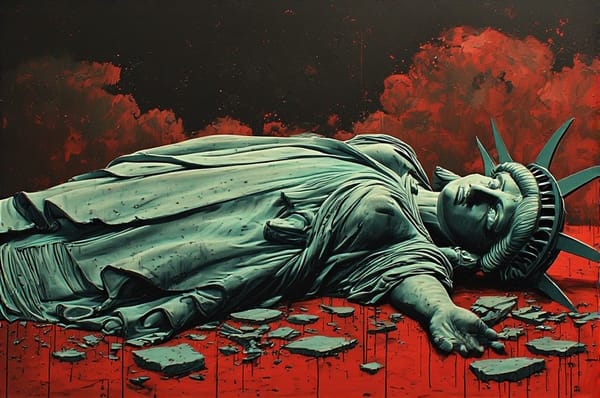
A Performance of Authority




For an agency with "enforcement" in its name, ICE seems alarmingly comfortable operating without the foundational pillars of professional law enforcement: formal training, oversight, and accountability. From reckless use of force to unqualified civilians playing agent dress-up, the cracks in ICE's operational integrity aren’t subtle—they’re gaping.
At first glance, ICE agents present the image of federal might: tactical vests, firearms, and bold-lettered gear. But peel back the layers, and you’ll find a troubling pattern of behavior that suggests the performance of authority without the training to back it up.
UNJUSTIFIED USE OF FORCE
Multiple cases have surfaced in which ICE agents deployed physical or chemical force where none was warranted—actions that would violate even the most basic principles of use-of-force policy in any trained law enforcement agency. Under the Graham v. Connor standard, force must be objectively reasonable, necessary, and proportionate to the threat. ICE seems to have missed that memo, or perhaps never received it in the first place.
IMPERSONATION BY DESIGN
A quick online search reveals just how easy it is for anyone to outfit themselves like a legitimate federal agent. Numerous websites openly sell everything from tactical vests and embroidered ICE patches to replica federal badges—including those labeled FBI, CIA, and ICE. With no background checks or verification required, the barrier to impersonation is disturbingly low. Some of these badges, depending on the site, range in price from $49 to $119. For instance, a solid copper "US ICE Special Agent" badge—complete with Department of Homeland Security seal—is available for $49.99 with no verification required. Similarly, a near-identical FBI badge labeled "Internal Affairs Division" can be purchased for the same price. Both are marketed as "replica movie props," yet they appear alarmingly close to their real counterparts and are sold alongside compatible badge wallets and holsters. The result? A ready-made toolkit for impersonation.—placing the illusion of authority within reach of virtually anyone.
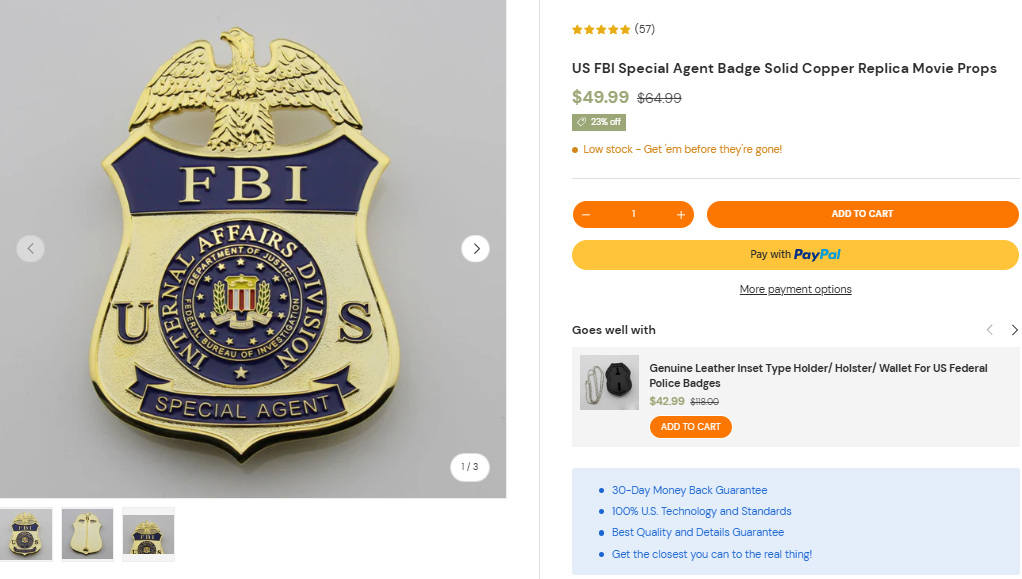
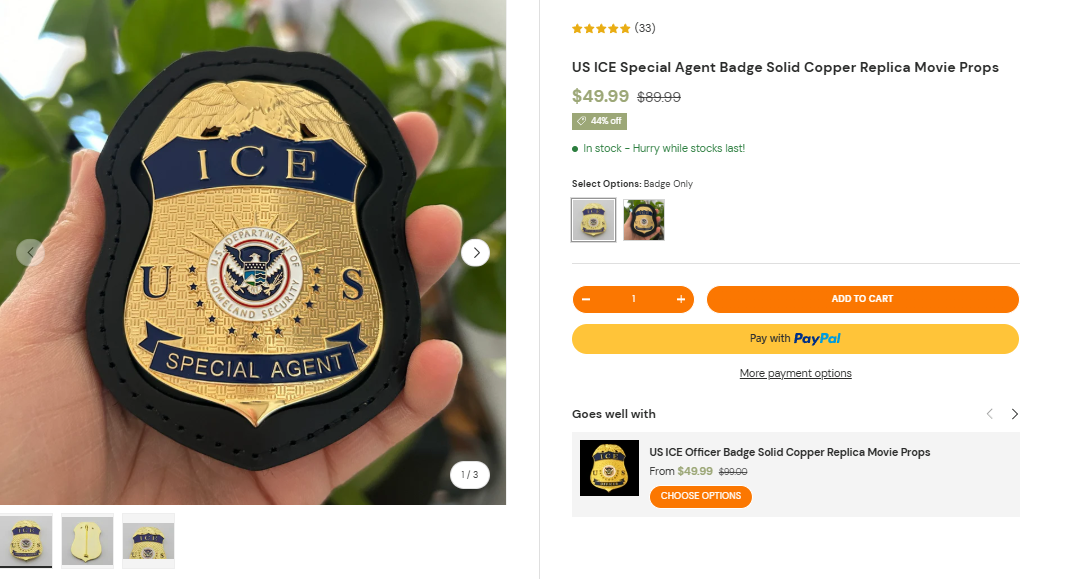
This marketplace of unofficial enforcement gear creates a ready-made costume department for opportunists, extremists, and scammers alike. just how easy it is for anyone to outfit themselves like a legitimate federal agent. Numerous websites openly sell everything from tactical vests and embroidered ICE patches to replica federal badges—including those labeled FBI, CIA, and ICE. With no background checks or verification required, the barrier to impersonation is disturbingly low. This marketplace of unofficial enforcement gear creates a ready-made costume department for opportunists, extremists, and scammers alike.
In February 2025, CNN reported a surge in ICE impersonators—some involved in arrests while wearing departmentally-labeled gear—prompting a national warning from authorities. The article highlights how these actions are not isolated, but part of a growing problem enabled by lax oversight and a lack of standardized enforcement protocols.
Source: CNN, "ICE impersonators on the rise: arrests made as authorities issue national warning"
This pattern continued into 2025, as highlighted in a Newsweek report documenting how fake ICE agents terrorized California businesses, detaining people and conducting bogus raids while dressed in agency-style uniforms. These incidents further underscore the consequences of ICE's failure to establish and enforce uniform standards.
Source: Newsweek, "Fake ICE Agents Terrorized California Stores, Arrest Made, Charges Filed"
Further illustrating this growing crisis, a case out of Washington state involved a fake ICE vehicle uncovered by Fife police. The vehicle, fully outfitted to appear official, adds another alarming layer to the impersonation problem. These are not isolated events—they are symptoms of systemic negligence.
Source: Fox 13 Seattle, "Fife Police Find Fake ICE Vehicle"
Even major outlets have begun issuing public guides to help citizens distinguish real ICE agents from fakes—an alarming sign of just how common impersonation has become. NBC DFW published a list of red flags and verification tips, treating ICE fraud as an ongoing threat to public safety.
Source: NBC DFW, "How to Identify a Fake ICE Agent"
In some instances, ICE itself has allowed non-sworn, non-licensed civilians to wear department-issued gear, carry department weapons, and participate in arrests. That’s not just negligence—it’s dangerously close to federally prosecutable impersonation. This practice blurs legal lines and introduces major civil rights and liability concerns.
And in what may be the most politically striking example yet, former South Dakota Governor Kristi Noem and washed up back-alley attorney Alina Habba were photographed wearing clothing that identified them as a federal agents during a 2025 ICE operations—despite neither having any known federal law enforcement training or experience. The symbolic blurring of political power and unearned authority perfectly illustrates the cultural gutter surrounding ICE's public image.
Source: Reuters, "Trump Homeland Secretary Joins ICE as New York Immigration Crackdown Intensifies"
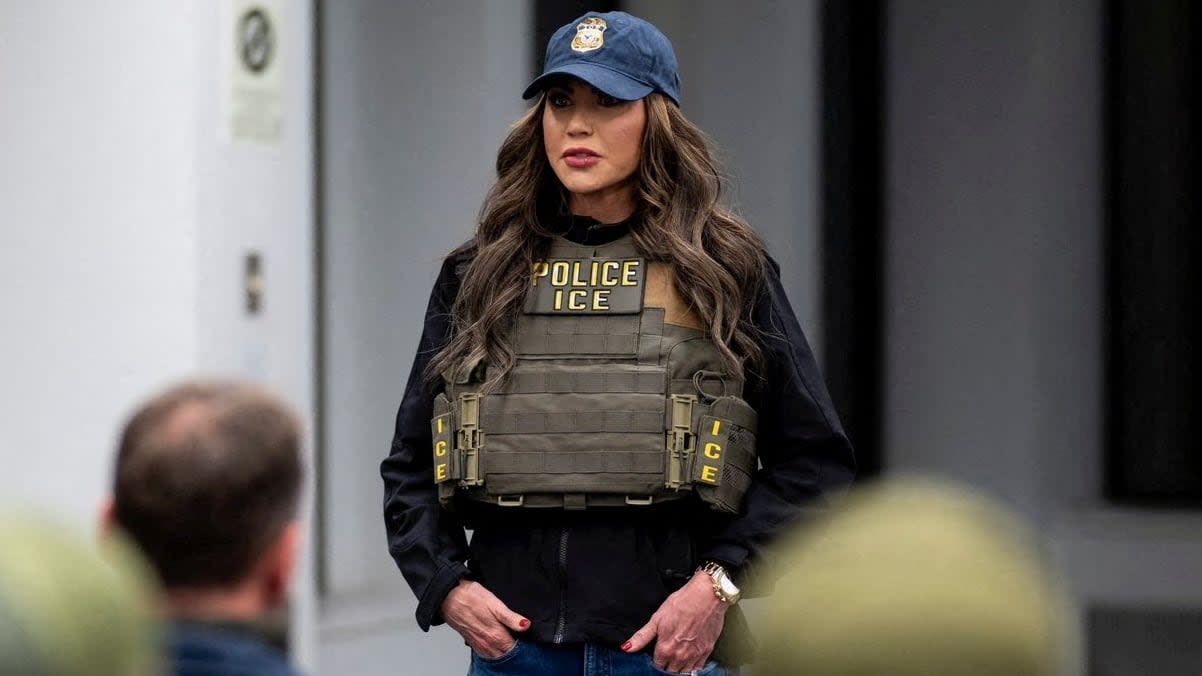
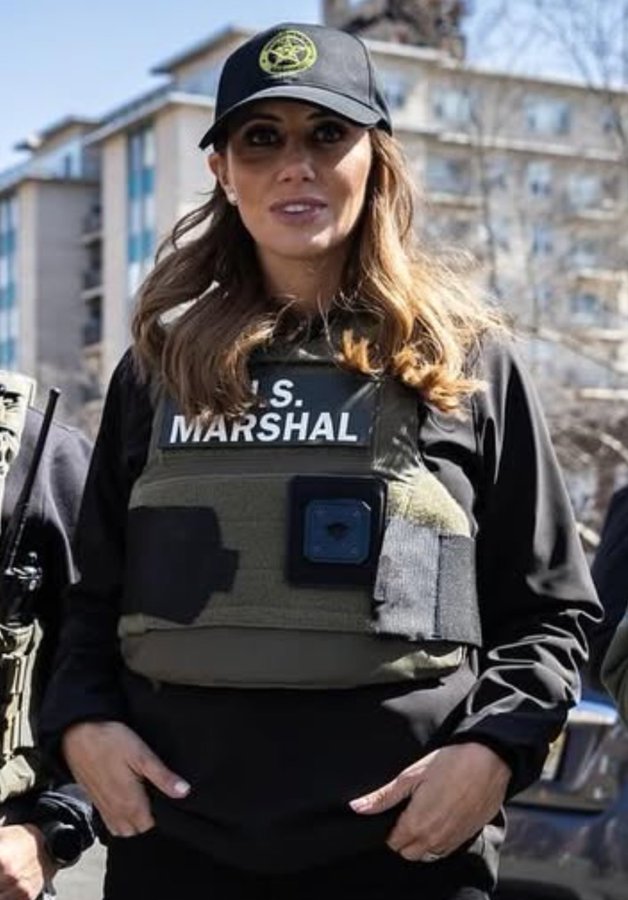
Perhaps the most disturbing incident yet occurred in Brooklyn, where a man impersonating an ICE agent attempted to rape a woman while claiming official authority. He wore tactical-style gear and identified himself as law enforcement. This case makes horrifyingly clear what’s at stake when agencies fail to control their image, gear, and personnel.
Source: AMNY, "Brooklyn man posing as ICE agent attempts rape"
And this isn’t new. As far back as 2018, fake ICE agents were reported running immigration scams in California, preying on fear and confusion in immigrant communities. These early examples establish a precedent that today’s impersonators—and some actual agents—are operating without the training, oversight, or professionalism expected of federal law enforcement.
Source: ABC30, "Fake ICE Agents Reported in California"
TACTICAL THEATRE
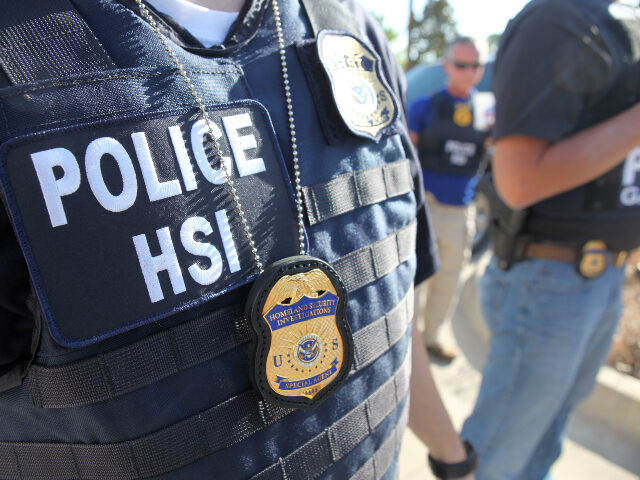
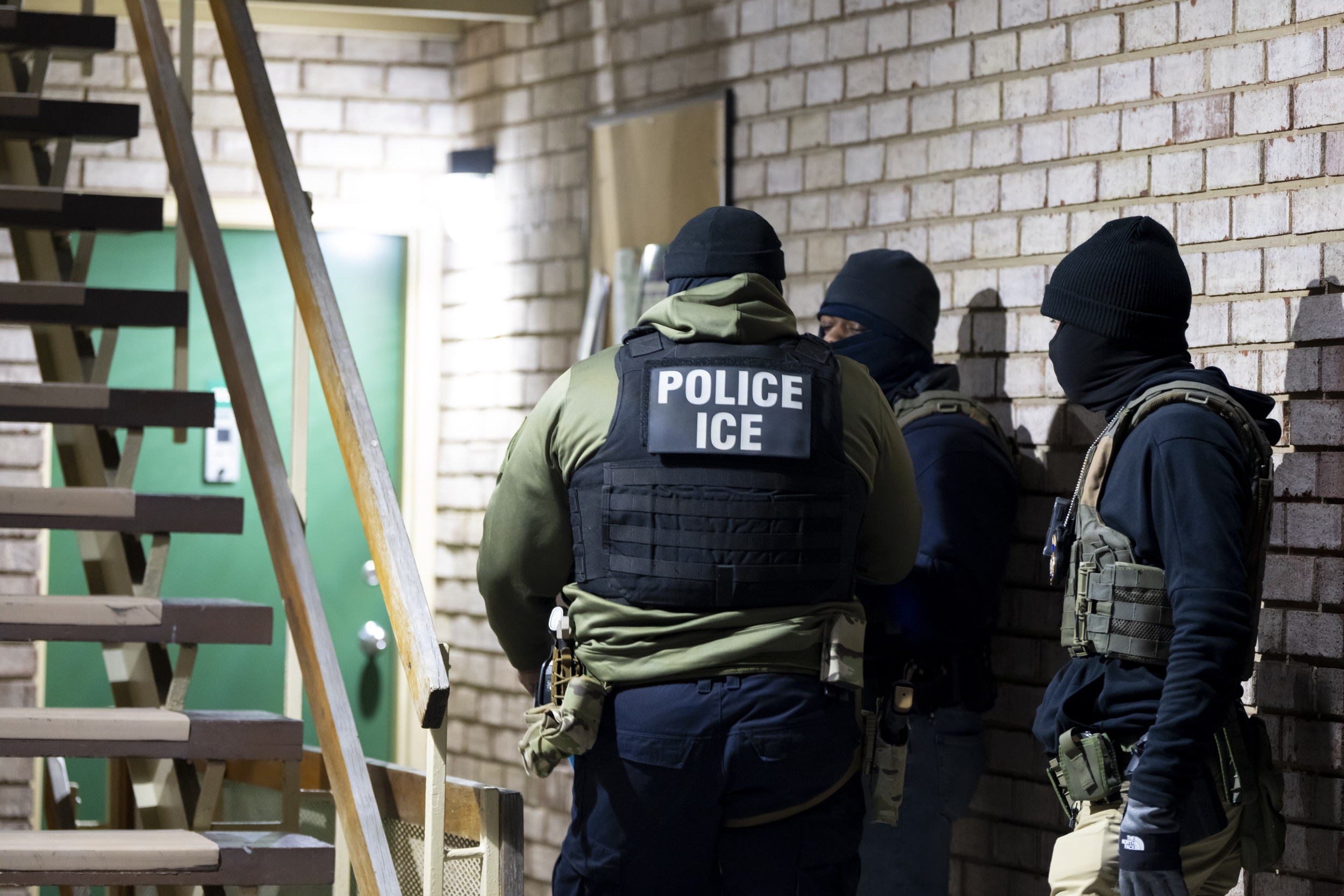
While variation in uniforms across divisions is common, ICE agents have been documented wearing wildly inconsistent gear—different logos, styles, and patches, often lacking standard identification. This isn't just an aesthetic problem. Clear, uniform labeling ensures accountability and distinguishes real officers from impersonators. Without it, the visual authority of ICE becomes as flimsy as the Velcro patches on their vests.



MISHANDLING MECHANICS
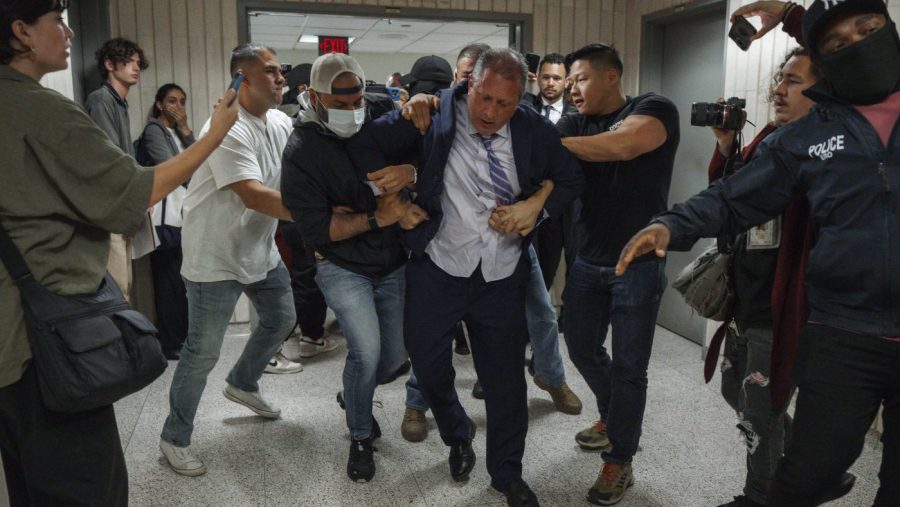
Agents mishandling firearms, failing to secure protective gear, and cuffing people in bizarre or unsafe ways all point to a lack of professional training. These are not minor infractions; they’re liabilities. Every legitimate law enforcement agency has rigorous standards for firearm safety and equipment handling. ICE’s sloppiness in this area isn’t just a bad look—it’s a public safety threat.
A CULTURE WITHOUT CONSEQUENCE
What emerges is the image of an agency that doesn’t expect professionalism because it doesn’t enforce it, because it isn’t a professional agency. The illusion of authority is easier to maintain than the reality of it. And when there are no consequences—either internally or externally—what incentive is there to improve?
SKEPTICISM AS A VIRTUE
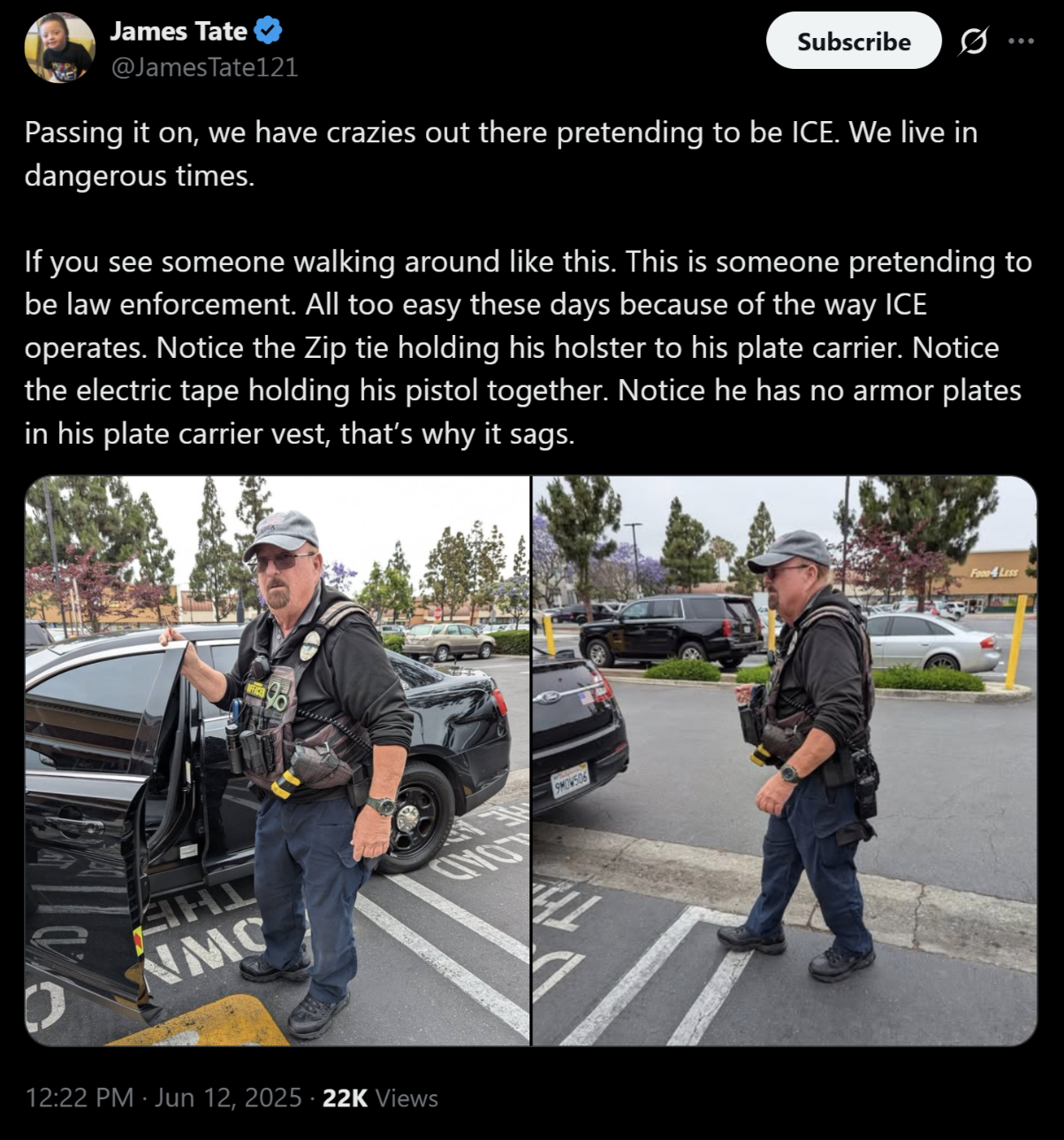
In a landscape where impersonators, hired thugs and under-trained agents blur the line between authority and abuse, knowing how to distinguish legitimate law enforcement from fakes or extremists is essential. Here are a few red flags to watch for:
- Credentials: Real officers produce badges and credentials without hesitation. Ask to see both—and verify if possible. A real badge is metal, heavy, and engraved, not flimsy, smooth, or plastic. Fake IDs may lack a photo, agency name, or may contain typos and cheap printing.
- Uniforms: The uniform should be clean, pressed, and include agency patches on the shoulders, a nameplate, and likely epaulets. Equipment belts should carry a full range of tools: firearm, spare mags, cuffs, radio, baton, pepper spray, flashlight, gloves, and possibly a Taser. Look for professional-grade slacks, or cargo pants, in good to excellent condition. Flip-flops and basketball shorts are red flags.
- Vehicles: Official law enforcement vehicles are clearly marked with agency decals that are professionally applied—flush with the paint. Beware of poorly aligned, bubbled, or inconsistent decals. The vehicles will likely be American brands (Ford, GM, Dodge) with lights on the roof, dashboard, bumpers, or grill, and one or two mounted spotlights.
- Light Configuration: Real police traffic stops use red, blue, or red/blue lights, never just amber or white. If someone attempts to pull you over without these, it likely isn’t a legitimate officer.
- Don’t Be Fooled by Sirens: Impersonators can and do install sirens and red/blue light kits. These are widely available online.
- Refusal to Identify: If someone claiming to be law enforcement refuses to show ID, or becomes aggressive when asked, that’s a major red flag.
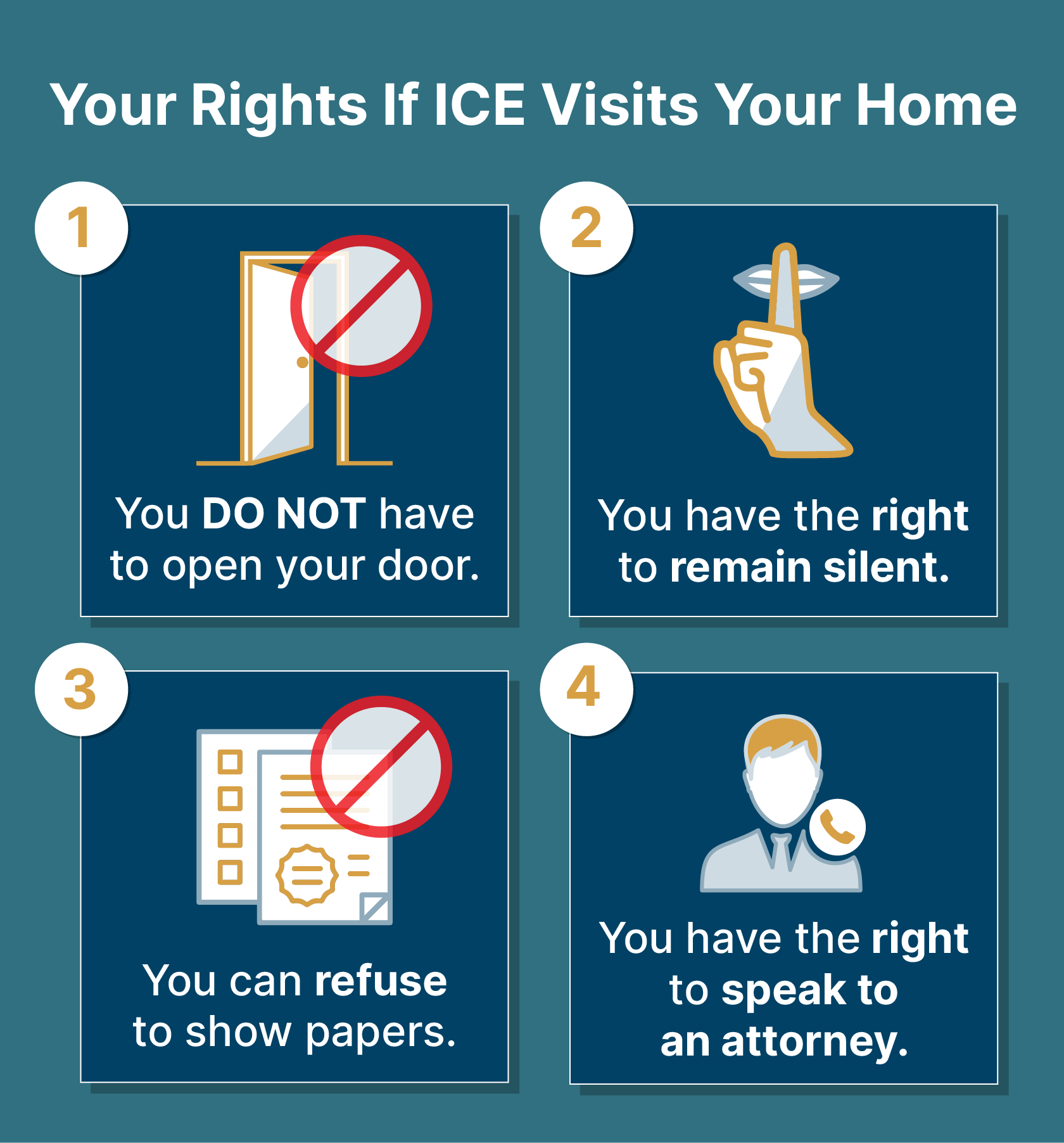
- Warrant Awareness: If they claim to have a warrant, do not open your door blindly. Ask to see the warrant—in your hand—and read it carefully. A folded piece of paper isn’t enough.
- Door Knock Caution: Never invite someone in just because they claim to be law enforcement. If you didn’t request assistance, ask to verify credentials and consider calling 911 to confirm their presence, especially after dark.
- Behavioral Matters: Yelling, threatening violence, or using abusive language is not standard for trained officers. These are intimidation tactics more commonly used by impersonators or extremists.
- Verification: You can always call the agency's non-emergency line to confirm the name and badge number. Trained officers will not be offended.
Knowledge is power, and in this case, protection.
Final Word
If ICE were a local police department, its pattern of behavior would likely trigger a DOJ investigation, a consent decree, or massive institutional reform. But on the federal stage, the same dysfunction is allowed to persist under the banner of national security.
The badge may say “enforcement,” but the behavior screams improvisation.
We are not for sale…
#ProjectBlackbird
J\z